
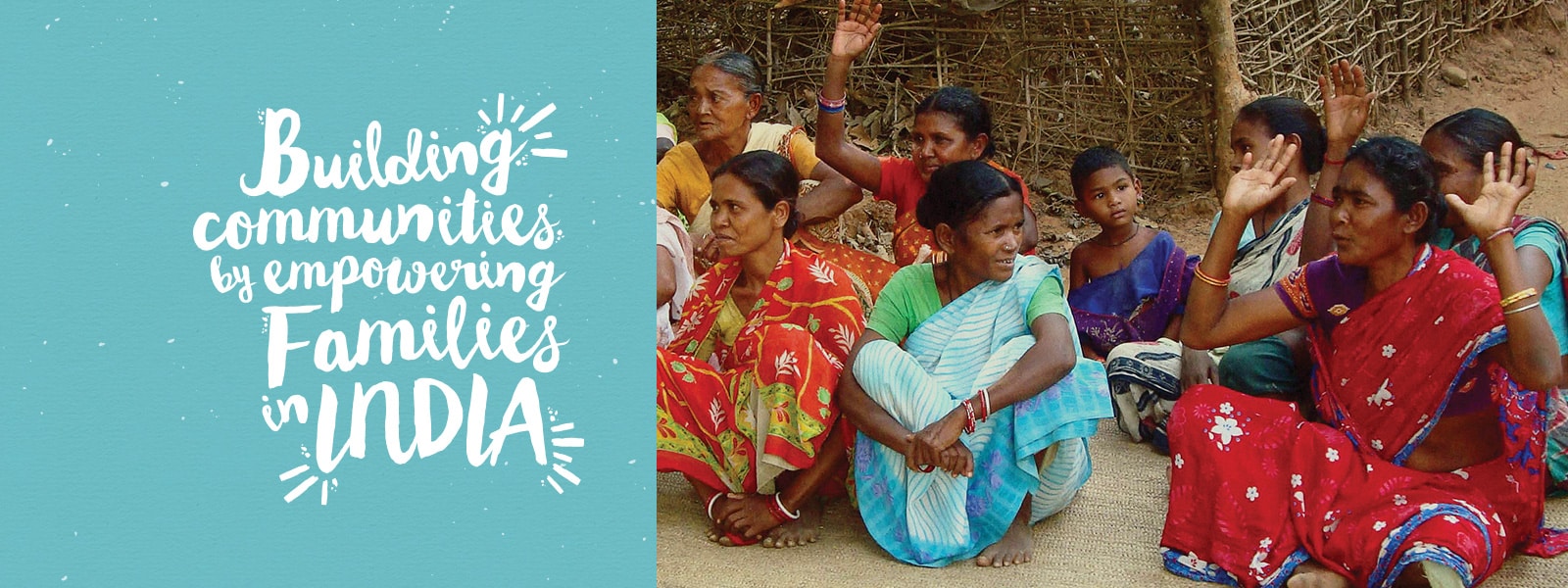

Welcome!
Thank you for your donation and welcome to our mission to “partner with the poor for a just world.” Your impact will be amazing! We’d
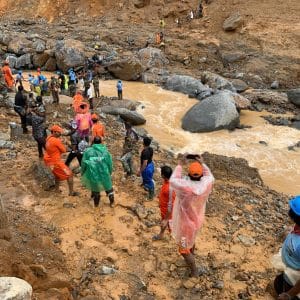
Wayanad Landslide Disaster Fund
This disaster management fund will fund long-term, sustainable programs that will support impacted families
DOUBLE YOUR DONATION – “Hearts and Homes” campaign
Double Your Donation! Give before Aug 30 and provide housing for widows
Urgent Appeal (double your donation)
To address the dire circumstances of the people we serve in India, Save A Family Plan launched an urgent appeal on Aug. 3, 2022. Until

Introducing the Moraes Family
Hello! My name is Samantha, Marketing and Communications Officer here at Save A Family Plan (SAFP). During our Focus on the Family campaign this past
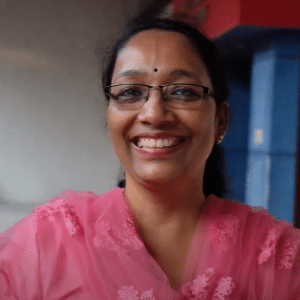
Mary’s Story
Poverty is complex. Our plan is simple! And it actually can break the cycle of poverty. Mary’s story is proof of Save A Family Plan’s

What does poverty look like?
Try to put faces to the many victims in these recent news stories from India… June 2012: A 32-year-old woman in Tirunelveli district in Tamil Nadu sold her five-month-old twin
Gambling with the Monsoon
India is an agrarian country with 52% of its people employed in the agricultural industry. As I rode the train between some of India’s southern states during my last trip
Understanding Caste in Development
SAFP Canada Staff Cassandra Griffin writes from the field in India. For a foreigner who is an outsider to Indian culture, the concept of caste can be extremely difficult to
Grassroots Action leads to Change in SPED III
SAFP Canada Staff Cassandra Griffin writes from the field in India. The road that led to the village had never been paved. It was narrow and rocky, and as our
Christmas in Haryana
SAFP Canada Staff Cassandra Griffin writes from the field in India. I woke up to a white Christmas this year, but not the kind I am used to in Canada.
Creating an Inclusive Society
Save A Family Plan’s founder, Father Gus, was strongly committed to building an inclusive society and continuously advocated for people with disabilities through his work in India. Today, SAFP aims
Crime Against Children in India
India’s National Crime Records Bureau (NCRB) publishes detailed crime statistics in an annual report called Crime in India. Published since 1953, the guide serves as a comprehensive reference source for
India Reflections
In February 2011, SAFP Canada Board member, Patrick Mahon, and his son Thomas (who was 18 at the time) travelled with SAFP throughout Kerala and Tamil Nadu. This reflection was
Acting for Change
Save A Family Plan (SAFP) is an organization that does not spend any money on advertising. This is because we are committed to making sure that 100% of all the
India’s Scheduled Tribes
Indigenous people are among the most vulnerable and marginalized groups in India, facing disproportionately high levels of poverty, illiteracy, and poor health. These communities, referred to by the government as